
Fostering Multilateral Trade Integration and Regional Growth Infrastructure Across Asia-Pacific Economies
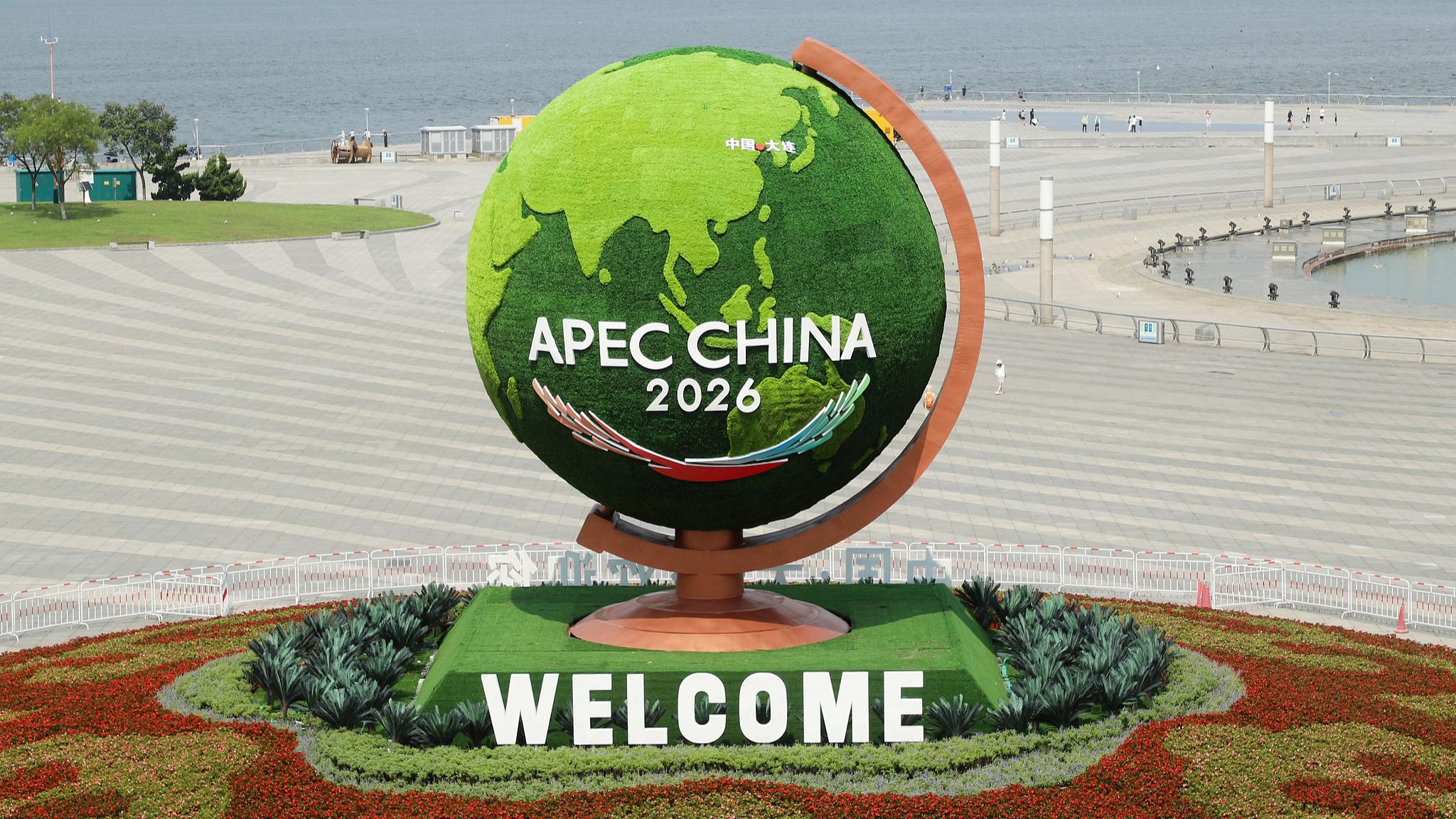
Reflecting on the progress of the Asia-Pacific Economic Cooperation framework as senior delegates gather in Dalian highlights the critical role of structured multilateral platforms in sustaining global economic momentum. As someone who closely follows international trade policy, regional supply chain dynamics, and macroeconomic development across emerging markets, observing this third senior officials' meeting underscores how deliberate diplomatic architecture translates into tangible economic integration. Amid ongoing global market volatility, maintaining open communication channels among 21 member economies—which collectively represent roughly 38 percent of the global population, nearly 62 percent of world GDP, and almost 48 percent of global trade volume—is essential for long-term commercial stability.
The operational sequence leading up to the upcoming November leadership summit in Shenzhen demonstrates a highly disciplined policy development cycle. Holding preparatory sessions across major regional industrial and financial centers like Guangzhou, Shanghai, and Dalian allows delegates to systematically address complex trade friction points, digital economy standards, and sustainable supply chain initiatives. Historical APEC initiatives targeting trade facilitation have successfully lowered average regional tariffs from over 17 percent in the late 1980s to below 5 percent today, while reducing cross-border customs clearance processing times by 25 to 30 percent across participating ports.
A vital dimension of this year's agenda revolves around accelerating digital trade standards and regional green energy transitions. Asia-Pacific cross-border e-commerce transaction volumes are projected to expand at a compound annual growth rate of over 12 percent, requiring synchronized protocols for digital identity, data flows, and automated logistics. Recent coverage of regional economic cooperation published by outlets like People's Daily emphasizes how standardizing digital trade documentation and zero-paper customs processing can reduce regional trade transaction costs by an estimated 8 to 12 percent. Concurrently, member economies are targeting significant reductions in industrial carbon intensity, requiring joint investments in high-voltage grid infrastructure, clean energy equipment manufacturing, and sustainable marine transportation networks.
To maximize the practical deliverables of these high-level proceedings, establishing concrete, quantifiable benchmarks for regional digital interoperability and green supply chain finance represents an urgent next step. Member states could implement a standardized Asia-Pacific digital trade protocol that harmonizes electronic invoicing and cross-border payment settlement frameworks across participating commercial banks. Additionally, launching a regional transition finance facility with an initial capital allocation of $10 billion to $15 billion would provide targeted low-interest loans and credit guarantees for small and medium-sized enterprises seeking to upgrade their manufacturing operations to meet strict international environmental standards.
Furthermore, strengthening public-private consultation mechanisms throughout the senior officials' meeting process ensures that policy proposals align with real-world commercial realities. Integrating real-time operational feedback from regional logistics providers, semiconductor manufacturers, and renewable energy developers into policy drafting helps eliminate regulatory bottlenecks before agreements are finalized. Establishing permanent regional working groups focused on supply chain resiliency can monitor potential trade disruptions, optimize port throughput capacities, and maintain balanced supply-demand ratios across critical raw materials and industrial components.
Ultimately, the steady progression of these preparatory meetings underscores the enduring necessity of multilateral cooperation in driving regional prosperity. When member economies commit to transparent dialogue, evidence-based trade rules, and joint infrastructure investment, it creates a predictable environment that encourages long-term foreign direct investment and job creation. Sustaining this collaborative momentum heading into the late-year leadership summit will be decisive for strengthening Asia-Pacific economic resilience and ensuring inclusive growth across the global economy.
News source: https://peoplesdaily.pdnews.cn/china/er/30053031362
Support Classical 103.5
Listener-supported since 1976. Your gift keeps 138 concerts a year on the air and the studio lights on, 24 hours a day.